

What Is a Diploma in Cosmetology?
A Diploma in Cosmetology is a structured, skill-based programme that teaches you how to safely and consistently perform beauty and basic aesthetic services on real clients. It usually combines theory, demonstration, and supervised practice across skin, hair, and fundamental makeup.
Unlike short, purely “parlour-style” courses, a proper cosmetology diploma gives you a foundation in skin and hair basics, service protocols, hygiene, product knowledge, and client communication. The goal is not to turn you into a doctor, but to make you a confident, employable beauty professional who can work within clearly defined, non-medical boundaries.
Why a Cosmetology Diploma Matters in 2026
Beauty and personal care are no longer seen as casual or optional services. Across Indian cities and even smaller towns, clients now expect hygienic, science-aware treatments and professional behaviour. Social media, online reviews, and increased awareness have made quality and safety more important than ever.
- Growing demand: Salons, skin and hair clinics, and aesthetic centres continue to expand across metros and tier-2 cities.
- More informed clients: People ask questions about ingredients, side effects, and results – and expect sensible answers.
- Formal training over jugaad: Serious employers prefer candidates who have completed structured training rather than only informal parlour experience.
What You Learn: Core Skills & Modules
Every institute has its own exact curriculum. However, most professional diplomas cover a similar set of skill blocks. Here is a typical structure you can expect.
1. Skin Basics & Facial Services
- Understanding basic skin types (dry, oily, combination, sensitive)
- Salon and facial hygiene, sterilisation of tools, and workstation setup
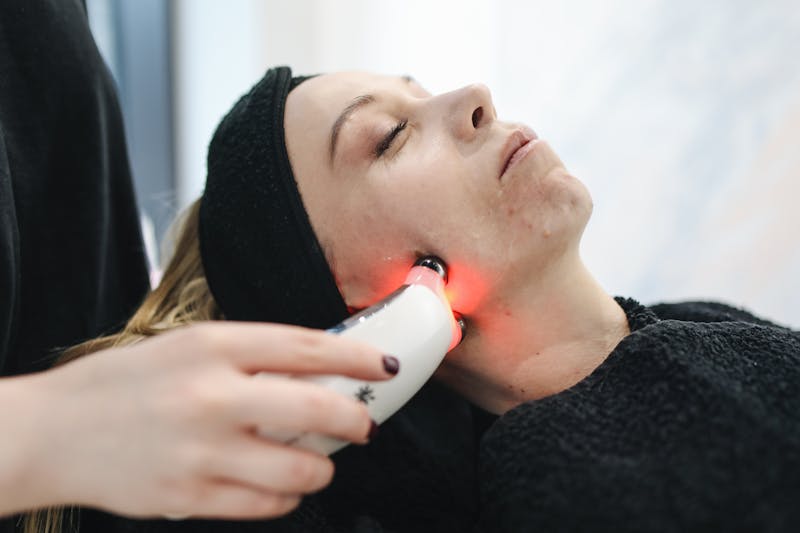
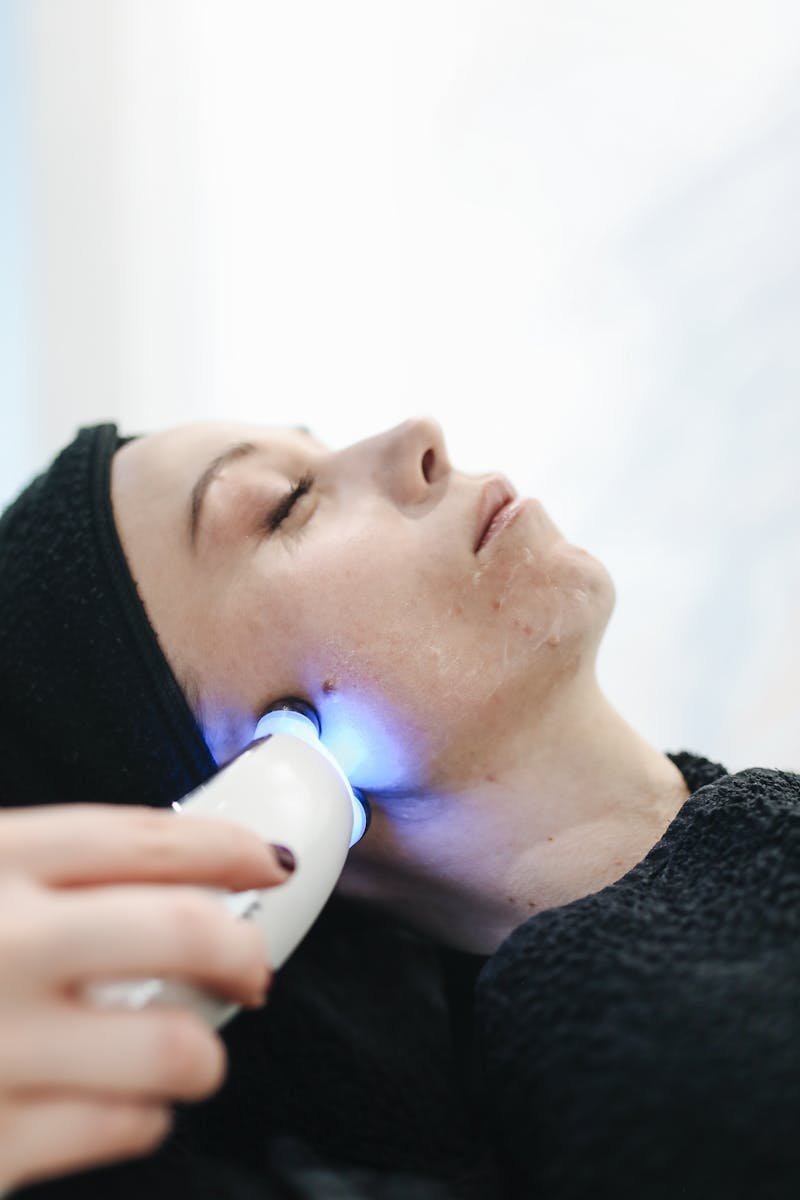
- Classic facials, clean-ups, steaming, exfoliation and mask application
- Client consultation, contra-indications, and record-keeping
2. Hair Care & Styling Fundamentals
- Hair and scalp basics, common salon-level concerns
- Shampooing, conditioning, basic hair spa rituals
- Blow-drying, ironing, simple curls and up-dos
- Safe sectioning, basic cutting techniques and finish
3. Basic Makeup & Grooming
- Day, evening and occasion-appropriate basic looks
- Base preparation, foundation matching, blush and contour basics
- Eye and lip basics suitable for Indian skin tones
- Grooming services like threading, waxing and simple pre-bridal packages
4. Client Handling, Soft Skills & Ethics
- Welcoming clients, handling first-time nervousness
- Explaining services honestly, without over-promising
- Professional conduct, boundaries, and documentation
- Basic retail skills – how to recommend home-care without “pushing” products
Who Is the Diploma in Cosmetology Ideal For?
One of the strengths of this path is that it welcomes people from very different backgrounds. You do not need to be from a science stream or have previous beauty experience to begin.
- Students after 10th or 12th who are clear they want a creative, hands-on, client-facing career.
- Salon therapists and beauticians who learnt informally and now want formal education to grow into better roles.
- Working women or homemakers looking to build flexible income, either from home-based services or part-time work.
- Career-switchers who feel aligned with beauty, skin and hair, and want a shorter, job-oriented route instead of a 3-year degree.
If you enjoy interacting with people, pay attention to detail, and are willing to practise the same technique many times to perfect it, cosmetology can be a deeply satisfying profession.
Fees, Duration & Study Modes (2026 View)
Exact fees, batches and payment plans differ from institute to institute, but there is a broad pattern. When you compare options, look at the balance between the total fee, actual practice hours, and the weight of the certification.
- Duration: Most diplomas are designed between 6 and 12 months, with weekday and weekend options.
- Fee range: Fees usually vary by city, brand value, trainer experience and how advanced the modules are.
- Study modes: Many institutes run regular classroom batches; a few may support hybrid learning for theory with compulsory offline practicals.
As a thumb rule, do not select an option only because it is the cheapest or shortest. In cosmetology, your confidence and employability depend heavily on the quality of practice and supervision you receive.
How to Choose the Right Cosmetology Institute
A glossy brochure or Instagram page does not guarantee serious education. Before you commit your time and money, invest a few hours in checking the following basics.
1. Recognition, Affiliation & Reputation
- Check if the institute is recognised, partnered or aligned with known bodies or universities.
- Look at how long they have been operating and what students say outside of only official marketing.
2. Hygiene, Labs & Class Size
- Physically visit the centre if possible – see the workstations, trolleys and tools.
- Ask how many students are there in one practical batch and how many models each student works on.
3. Trainers, Practice & Assessment
- Understand who will actually teach you – are they experienced trainers or only visiting freelancers?
- Ask how your work will be assessed, and whether feedback is written or only verbal.
4. Certification & Career Support
- Clarify the name and level of the certificate you will receive after completion.
- Ask what realistic support is provided for internships, placements, or clinic and salon interviews.
Career Scope After a Diploma in Cosmetology
After completing a solid diploma and building some initial experience, you can explore multiple pathways depending on your strengths and interests. Many professionals start with one path and gradually combine more than one.
- Salon therapist or beautician: Working in established salons or spa chains.
- Skin and hair clinic assistant: Supporting dermatologists or aesthetic doctors within your professional scope.
- Bridal and occasion-focused services: Specialising in pre-bridal rituals, grooming packages and makeovers.
- Home-based or freelance services: Offering services to a focused client base in your neighbourhood or city.
- Further study: Using the diploma as a foundation before moving into advanced aesthetics, trichology or wellness-linked programmes.
Over time, your growth depends on a mix of technical skill, consistency, hygiene, communication and professional behaviour. Clients rarely forget how you made them feel after a service – that often matters as much as the visible result in the mirror.

Copyright © 2026 IICTN | Privacy Policy | Disclaimer | Payment Terms | Terms & Conditions | Refund & Cancellation | Pricing | Payment | Grievance | Shipping
