
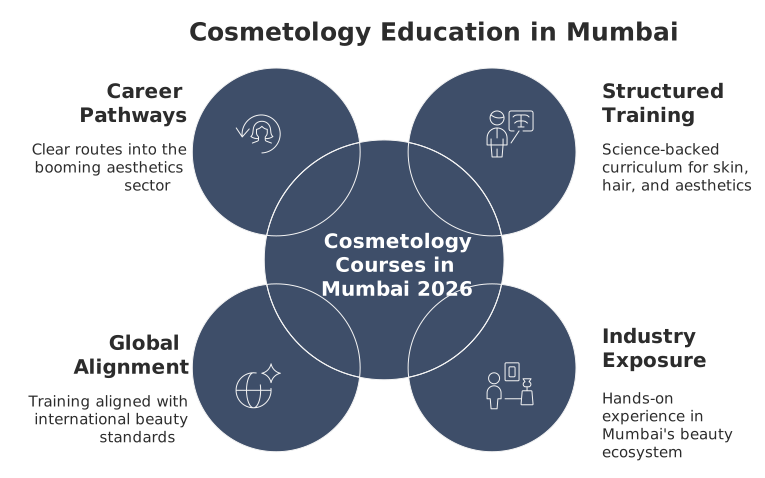
Cosmetology courses in Mumbai 2026 offer structured, science-backed training in skin, hair, and aesthetic practice ideal for beginners, professionals, and career-switchers seeking future-ready skills. With Mumbai’s advanced beauty ecosystem and institutes like IICTN leading hands-on education, learners gain real industry exposure, global-aligned training, and clear pathways into the booming aesthetics and wellness sector.
What Is Cosmetology?
Cosmetology is the applied science and art of enhancing appearance through structured care of the skin, hair, and overall aesthetic profile. In 2026, the field has evolved into a multidisciplinary practice combining cosmetic science, device-assisted procedures, skin physiology understanding, and client-centered care planning. It is one of the fastest-growing professional domains in India’s wellness and aesthetics industry.
At the beginner level, cosmetology introduces learners to the fundamentals of skin analysis, cosmetic products, hygiene protocols, and safe application of beauty procedures. Students gradually understand how skin type, texture, sensitivity levels, and environmental factors influence procedure decisions. This foundation prepares them to deliver consistent, safe, and high-quality client experiences.
At the intermediate level, cosmetology expands into advanced facials, hair rejuvenation, cosmetic peels (non-medical), high-frequency devices, galvanic techniques, dermaplaning, and microdermabrasion. Learners also explore scalp care, hygiene standards, and real-client simulations. Mumbai’s dynamic beauty ecosystem provides additional exposure to fashion, entertainment, and wellness industries, giving students a real sense of professional expectations.
At the advanced level, cosmetology becomes a precision-driven craft. Professionals gain competence in aesthetic enhancement techniques, procedure customization, and the integration of cosmetic technology. Courses in Mumbai especially through established institutes like IICTN emphasize case documentation, consultative communication, safety systems, and industry-aligned best practices. This layered progression transforms cosmetology into a structured, future-ready career pathway.
Why It Matters?
This matters today because the beauty and aesthetics industry in India is undergoing its largest transformation to date. Client expectations are shifting toward science-backed, non-invasive procedures, personalized service delivery, and results that combine effectiveness with safety. Cosmetology has become a key professional skillset bridging creative artistry with structured aesthetic practice.
This matters today because MumbaiIndia’s most influential beauty hub now demands trained practitioners who understand both practical techniques and aesthetic science. From luxury salons to skin studios, wellness centers, and freelance setups, opportunities continue to expand. With growing consumer awareness around skin health, hygienic practice, and long-term results, skilled cosmetologists are uniquely positioned to lead this change.
This matters today because learners whether freshers exploring career options or experienced beauticians seeking upskilling need structured, credible training pathways. A high-quality cosmetology course provides clarity, professional confidence, and competency in a sector driven by innovation and client trust.
Key Concepts
(A) Skin Analysis & Procedure Mapping
Micro-definition: Skin analysis is the systematic evaluation of skin condition, type, concerns, and tolerances to design safe, structured cosmetic procedures.
Skin analysis is the foundation of cosmetology practice. Students learn how hydration levels, oil distribution, sensitivity markers, and pigmentation influence care planning. Tools like magnifying lamps, Wood’s lamps, digital skin analysers, and structured questionnaires help create accurate client profiles. Understanding the skin barrier, moisture-oil balance, and environmental effects enables practitioners to select appropriate cosmetic procedures.
A practical micro-caselet: A client presents with dullness and uneven texture. A beginner might suggest a basic facial, but a trained cosmetologist would identify dehydration, recommend gentle exfoliation with microdermabrasion (cosmetic), and pair it with hydration-infused facial protocols. The difference lies in assessment confidence.
A common mistake is assuming skin type remains constant. Professionals are trained to reassess each session, as climate, stress, and lifestyle influence skin condition. This concept becomes central to procedure consistency and long-term client trust.
(B) Cosmetic Techniques & Device-Assisted Procedures
Micro-definition: Cosmetic techniques involve structured manual and device-based methods used to enhance skin appearance non-medically.
Cosmetology training in Mumbai 2026 includes exposure to cosmetic facials, dermaplaning, superficial cosmetic exfoliation, steamers, vaporizers, high-frequency, galvanic procedures, and microdermabrasion. These tools help improve texture, clarity, and glow when applied correctly. Students learn machine handling, hygiene protocols, and safety boundaries, especially distinguishing between cosmetic and medical procedures.
A micro-caselet: A learner practices high-frequency on a client with mild acne-prone skin. Correct technique helps reduce bacterial load and redness. Incorrect technique may lead to overstimulation. This real-time feedback during practical training becomes a critical part of competence building.
A myth addressed: Many believe devices alone produce results. Training emphasizes that results come from combining correct assessment, tool selection, and controlled technique.
(C) Hair & Scalp Care Techniques
Micro-definition: Hair and scalp cosmetology focuses on cosmetic procedures that improve hair texture, scalp hygiene, and overall manageability.
Students learn scalp analysis, cosmetic hair spas, revitalization protocols, basic trichology concepts, and product selection. Mumbai’s climate-humid, urban, and pollutant-heavy makes scalp care an essential skill. Learners understand cosmetic revitalization, cleansing, hydration balancing, and techniques that improve client comfort.
Advanced modules teach the role of pH-balancing products, scalp steaming, and care sequencing. Case-based learning with oily scalp and dry ends shows how professional assessments differ from routine salon services. Professionals design structured plans using scalp detox + hydrating lengths to restore balance.
A common misconception is treating scalp issues with aggressive techniques. Cosmetology training teaches gentle, structured approaches to maintain scalp barrier health.
(D) Hygiene, Lab Protocols & Client Safety
Micro-definition: Hygiene protocols ensure safe, professional, and contamination-free cosmetic practice.
Cosmetology learners in 2026 receive rigorous hygiene and safety training. This includes workstation setup, disposable usage, tool sanitization, pre- and post-procedure protocols, patch testing, and maintaining a sterile work environment. IICTN’s structured labs simulate real-world conditions for consistent practice standards.
A micro-caselet: A student preparing for a cosmetic peel (non-medical) realizes the client skipped sunscreen for two days. Instead of proceeding, the trained student reschedules and implements a pre-care routine. This demonstrates decision-making aligned with safety-first principles.
Mistakes often occur when beginners rush procedures or overlook allergen risks. Professional training eliminates these gaps through repeated practice and instructor-led feedback.
(E) Client Communication, Consultation & Professional Ethics
Micro-definition: Consultation involves understanding client needs, expectations, and concerns to create customized, ethical care plans.
Cosmetology is not only technical, it is deeply interpersonal. Students learn how to conduct structured consultations, understand pain points, set realistic expectations, and explain the care plan transparently. Communication ensures client comfort and long-term relationships.
A micro-caselet: A client requests a strong exfoliation to “look instantly brighter.” A trained cosmetologist explains suitability, provides safer alternatives, and educates on long-term benefits. This builds trust and reduces risk.
Ethics are central: Avoiding overpromising, respecting boundaries, maintaining confidentiality, and ensuring informed consent. In Mumbai’s competitive market, professionalism becomes a defining factor that differentiates trained practitioners from untrained service providers.
Practical Applications
- Performing structured cosmetic facials and glow procedures tailored to skin types.
- Using high-frequency, galvanic, and microdermabrasion devices safely in non-medical settings.
- Designing scalp revitalization and hair-care protocols suited to Mumbai’s climate.
- Managing real-client consultations, expectations, and aftercare guidance.
- Maintaining professional lab setups, hygiene compliance, and workflow systems.
- Assisting in aesthetic centers, salons, or wellness studios.
- Providing freelance home-based cosmetic services with professional-standard execution.
Career Relevance
Cosmetology opens pathways across salons, skin studios, wellness centers, medi-aesthetic setups (non-medical roles), and independent practice. Professionals may work as aesthetic practitioners, cosmetic procedure specialists, beauty consultants, or trainers. Daily tasks include skin analysis, basic device handling, procedure delivery, documenting progress, and follow-ups.
In Mumbai, exposure to diverse client profiles/corporate professionals, artists, students, homemakers, and entertainment industry clients builds versatility. As clients increasingly seek structured, hygienic, science-supported care, trained cosmetologists find strong career stability and growth.
Clarity Box (Ideal For / Not Ideal For)
Ideal For:
• Students after 10th or 12th
• Beauticians seeking skill upgrades
• Salon/spa professionals
• Career-switchers entering the beauty sector
• Entrepreneurs starting salons or studios
• Parents supporting children entering skill-based careers
Not Ideal For:
• Individuals expecting medical procedures or advanced roles
• Learners seeking instant success without practice discipline
• Those uninterested in hands-on work or client interaction
Decision Paths
If you are a student (12th pass):
Start with a Diploma in Cosmetology to build strong fundamentals.
If you are a working beautician:
Choose an Advanced Diploma to strengthen technique and device skills.
If you run a salon:
Select short-term specialty courses to upskill your team and expand offerings.
If you are a career-switcher:
Begin with structured fundamentals, then progressively specialize.
IICTN Cosmetology Training Location in Mumbai
If you are planning to enroll in a cosmetology course in Mumbai, knowing the exact training location helps you understand accessibility, commute, and convenience before making a decision.
IICTN provides offline cosmetology training with hands-on practical exposure in Mumbai, allowing students to gain real-world experience in a professional learning environment.
Find IICTN Mumbai on the map
This location-based access makes it easier for students searching for a cosmetology course near me in Mumbai to plan their visit and enrollment.
Future Trends
The future of cosmetology in India is driven by personalized procedures, cosmetic technology adoption, and consumer preference for non-invasive solutions. AI-powered skin analysis tools, digital client mapping, and hybrid cosmetic-aesthetic protocols are becoming standard practice.
Mumbai will continue to lead the sector with high client awareness, diverse procedure expectations, and constant market innovation. Professionals trained in 2026 will benefit from technological fluency, structured education, and multidisciplinary skill sets giving them a strong competitive advantage.
Cosmetology in 2026 represents a balanced fusion of science, creativity, and professional discipline. With Mumbai emerging as India’s strongest training hub, learners gain access to expert faculty, live practice, and future-ready curriculum design. By choosing the right course and institute, aspiring professionals can confidently enter a thriving industry with long-term career opportunities.
